“das Liebner” in Sölden: a hotel campaign as an acting couple
Behind the scenes of the opening campaign for the adults-only hotel “das Liebner” in Sölden: acting instead of sport, embodying the feel-good moment – and why shooting video and photo at once costs quality.
Written by
Tobi Deckert
Reading Time
6 minutes

The project
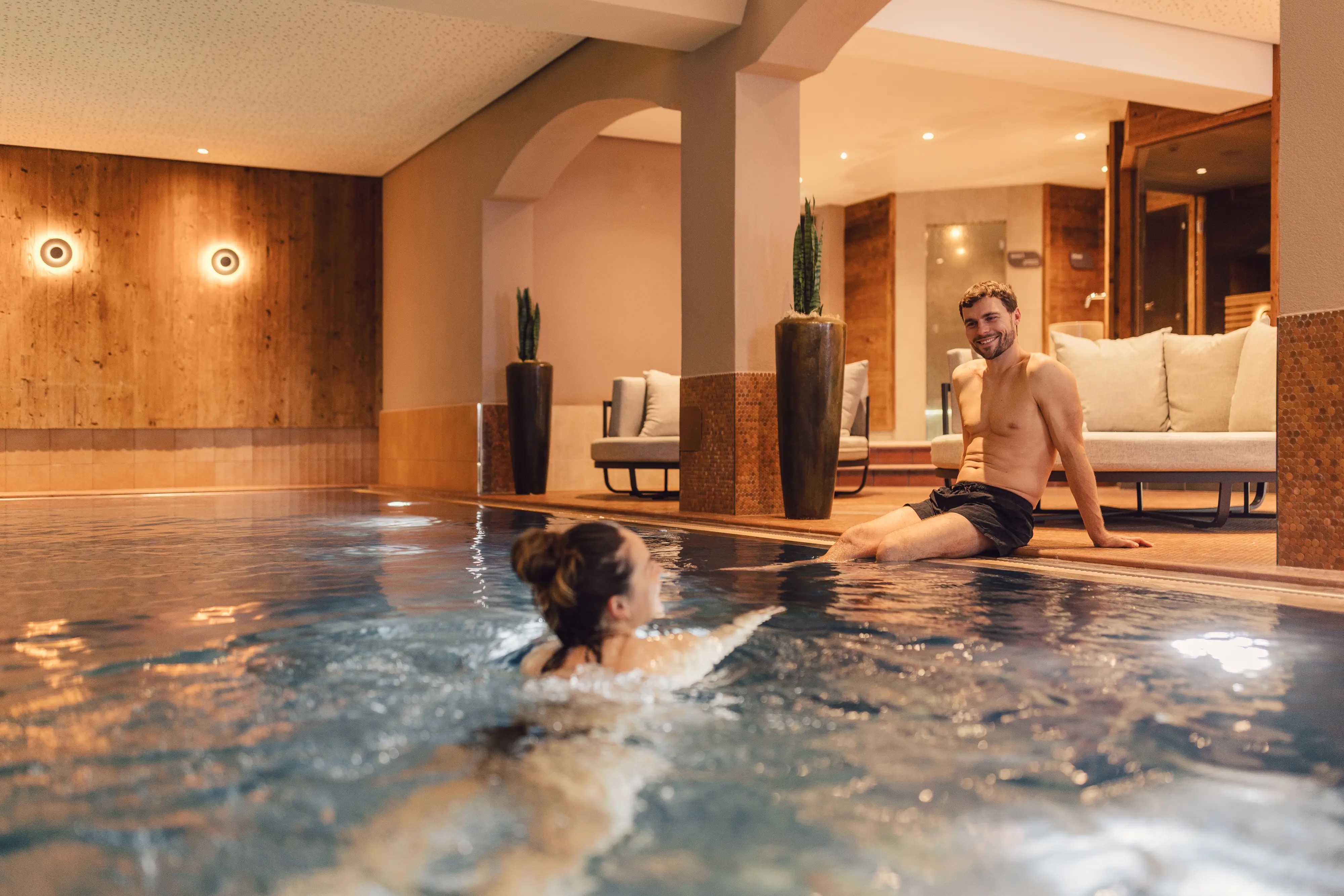
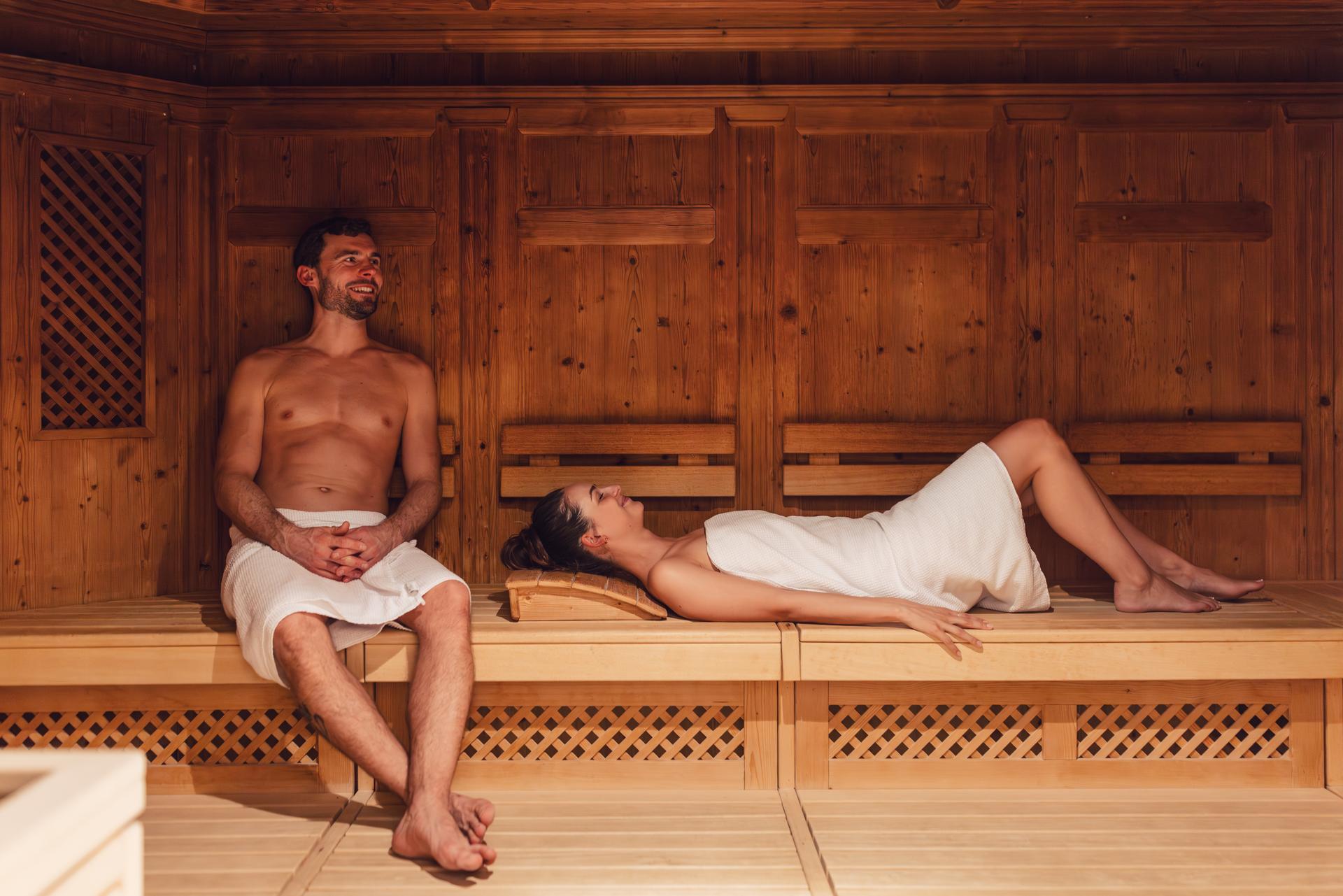
We shot in early 2026 for the hotel's opening, booked through Visage Models Austria. As a couple, Toni Horenburg and I were to make the whole hotel tangible: the rooms, the various dining options, the panorama of the Tyrolean Alps and, of course, the highlights of the house – the impressive spa, the wine cellar and the house bar. It was produced by the team around the Tyrolean photo and film maker Daniel Zangerl.
Acting, not sport
On a shoot like this, the athletic side isn't the focus. A certain level of fitness is part of it – in the spa, in swimwear or the sauna it has to look good for the marketing – but the focus is on the acting: emotional wellbeing. As models and actors we embody the feeling the guest should have in the hotel's rooms. The viewer has to be able to identify with us.
The real challenge is to come across as authentic and played-emotional at the same time – to fully savour the moments of enjoyment without it looking staged. That's the art of a feel-good campaign.
Stamina and a good team
When you shoot from morning to night, it takes stamina as a model too. With a fun, easy-going team that's no problem – and when you're shooting in a hotel and have to taste the best dishes and signature cocktails because they appear in the story, that's a very pleasant side effect.
The pro insight: why shooting video and photo at the same time costs quality
One point I like to flag to productions early: often people try to shoot video and photo simultaneously to save time. That's a cost-saving model that clearly comes at the expense of quality.
The reason: a model and actor behaves differently for a photo than for video. For video you play interaction, you talk, you work with facial expression and gesture. For a photo you're adjusted like a puppet for the perfect moment and the perfect light – and then the shutter fires. Act at the same time and the photo usually fails: half-formed mouth shapes, expressions that don't work in a still. With two people it compounds – if one is mid-sentence while the other laughs, exactly the most important shot is unusable. In the end the decisive images are missing, you have to reshoot (extra cost) or the result simply isn't good enough.
My recommendation: definitely shoot separately. It takes a little longer but saves time as soon as mistakes happen or images have to be discarded. You don't need a rigid order – teeth and light are often meant to be the same – but photographer and videographer have to be closely coordinated, not get in each other's way, and above all communicate clearly with the model: clear calls like “now we're shooting stills – emotion, laughter, no talking” versus “now we're filming” with a clear “action”. You don't need a big separate time budget for it, just some buffer time for coordination. Doing both in a coordinated way on one day is still faster – and safer – than separate shoot days, where on the second day you carry the weather risk and the effort of setting up the whole scene again.
Tyrol as a backdrop – and as advice
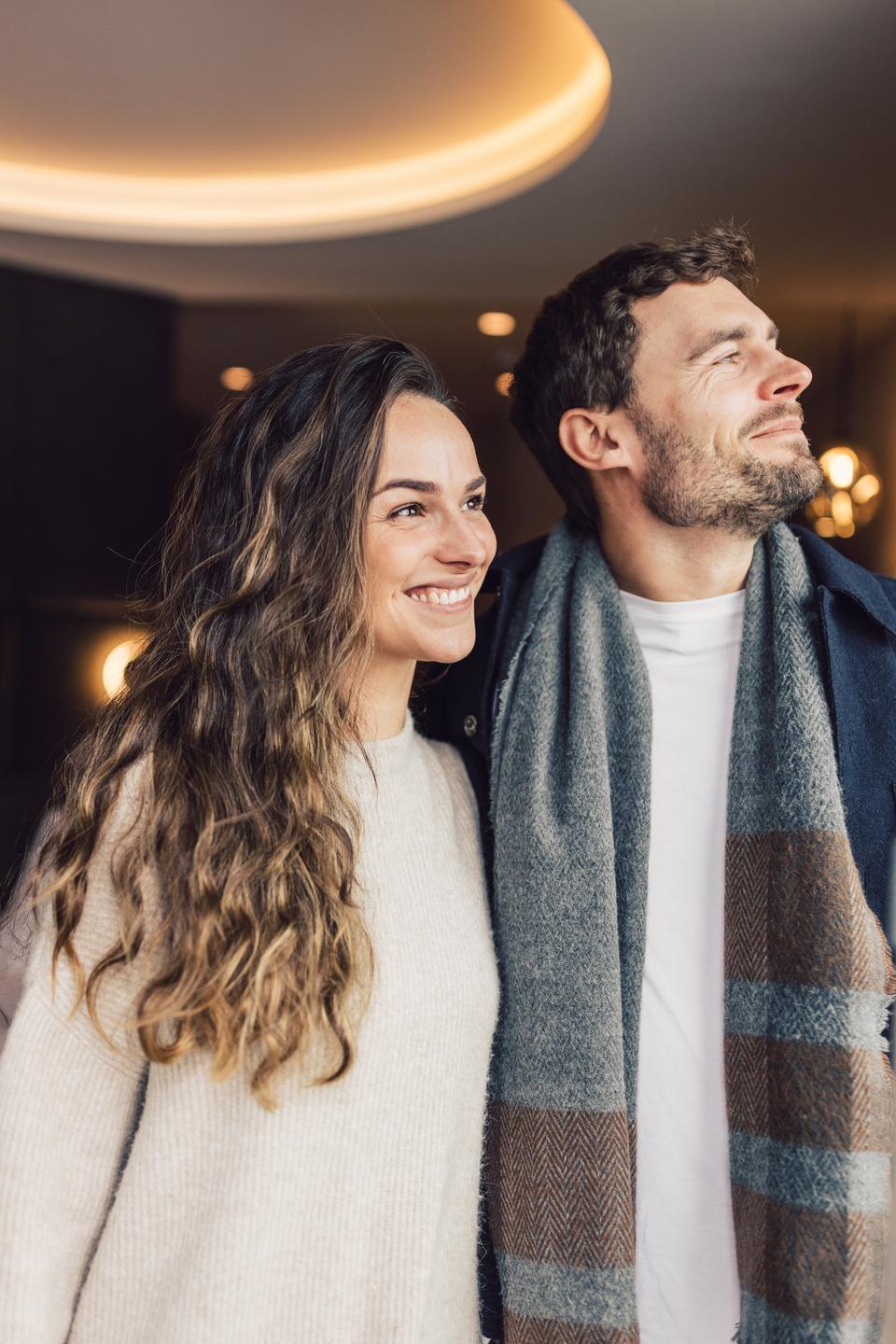
I spend a lot of time in Tyrol in general and know my way around. Sölden is a hotspot, and especially when it comes to athletic or skiing performance I'm happy to advise on location too: where to shoot what, and at what time of day. That local knowledge is exactly what makes regional campaigns more believable and more efficient.
What it comes down to
This campaign stands for the acting side of my work: embodying emotion believably, stamina across a full shoot day, and the understanding of how a hotel and hospitality production really runs efficiently. Anyone planning a campaign with feeling, couple chemistry and local knowledge gets a performer who thinks along.
If you're planning a hotel, tourism or lifestyle campaign: send a booking request.
FAQ
Should you shoot video and photo at the same time to save time?
Better separately. A model and actor behaves differently for a photo (posed, perfect moment) than for video (interaction, talking). Simultaneously, the photo often becomes unusable. Shooting separately takes a little longer but saves reshoots and discarded images – the key is close coordination of photographer, videographer and model with clear calls.
Why book a model for a hotel who can also act?
Because a feel-good campaign has to embody the feeling the guest should have. The viewer only identifies if emotion and interaction feel real – authentic and played at once. A pure “standing model” can't do that.
What all gets shown in a hotel campaign?
Typically rooms, dining, the surroundings and the highlights of the house – here for example spa, wine cellar, house bar and the panorama of the Tyrolean Alps – tied into a story around a couple.
Does local knowledge help on regional campaigns?
Yes. Someone who knows the region – here Sölden and Tyrol – can advise where and at what time of day to shoot best. That makes the campaign more believable and the shoot more efficient, especially for athletic subjects.
By
Tobi Deckert